A federal judge found that the government's failure to devise, publicize, and utilize narrow and specific standards for the issuance or denial of press passes infringes on First Amendment rights.
Posted by The Briefing with Jen Psaki, Checked
- Sources
- 2 support2 context
- Said
- 1 time·
- Confidence
- 80%
 The Briefing with Jen PsakiSep 24, 2026
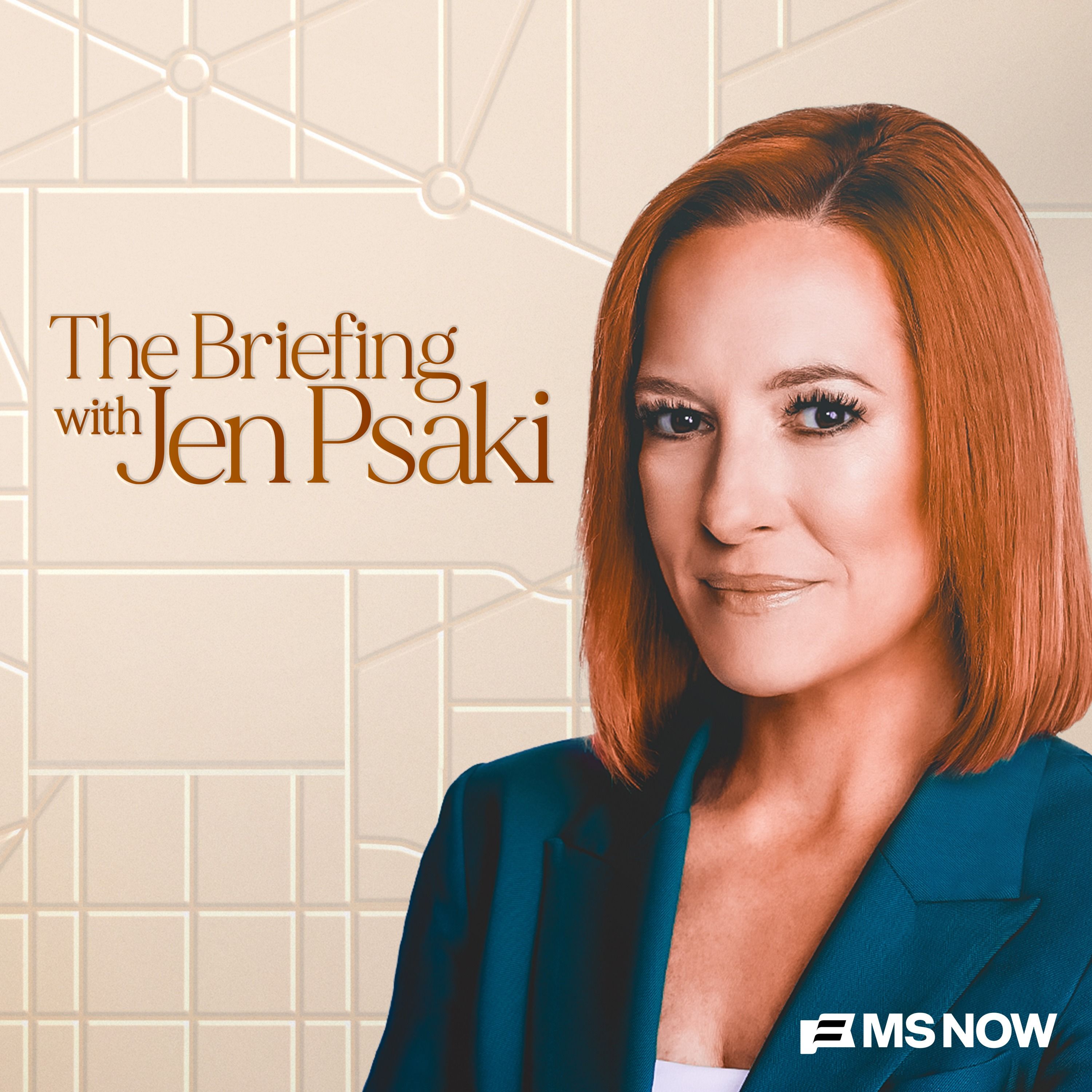
The claim matches the post's passage, which describes a federal judge's ruling on White House press passes. The primary court opinions in Forcade v. Knight (D.D.C. 1976) and Sherrill v. Knight (D.C. Cir.
What was said
… They thought that the court would surely agree that some radical hippie journalist who assaults public officials with pie props could be excluded from the White House press room. But here's the thing: the court didn't agree. A federal judge found that the government's failure to devise, publicize, and utilize narrow and specific standards for the issuance or denial of press passes infringes on plaintiffs' First Amendment right to freedom of the press. The court also found that defendants' failure to inform plaintiffs of the evidence or grounds of the decision to deny their press pass applications, or to permit them an adequate opportunity to rebut or exclaim the evidence or explain the evidence or …
The Briefing with Jen Psaki · · from the transcriptPost →What we found
Supports. Forcade v. Knight (D.D.C. 1976) held that the vagueness or nonexistence of written standards governing issuance of press passes violated the plaintiff's First Amendment right to freedom of the press.[1]
Supports. In Sherrill v. Knight (D.C. Cir. 1977), the court instructed the Secret Service to 'devise and publicize narrow and specific standards' for press pass denials, affirming the procedural relief while modifying the standards prescription.[2]
Context. A 2026 district court ruling on the White House press ban (Judge Kelly) relied primarily on Fifth Amendment due process rather than the First Amendment, so the First Amendment finding in the claim traces to the 1976 Forcade decision.[3][4]
Sources
4 sources: 4 not rated
- 1Forcade v. Knight, 416 F. Supp. 1025 (D.D.C. 1976)supreme.justia.com · not rated · cited for: supports
- 2Robert Sherrill v. H. Stuart Knight, Director, United States Secret ...law.justia.com · not rated · cited for: supports
- 3How due process, not the First Amendment, got the White ...theconversation.com · not rated · cited for: context
- 4Judge blocks Trump's ban and says CNN, MS NOW and Politico must have White House access restoredwtaj.com · not rated · cited for: context
Where this claim was made
Said in 1 published post
Related claims
- The court found that the government's failure to inform plaintiffs of the evidence or grounds for denying press pass applications violates their Fifth Amendment right to procedural due process.True
- The appeals court ruled that the White House could not arbitrarily deny press passes in the case of Robert Sherill.True
- A federal judge issued a temporary restraining order restoring Jim Acosta's press pass after he was banned by Donald Trump in 2018.True
- The Trump administration argued in court that the president should be able to take immediate action to protect national security regarding the revocation of press passes.True
- A federal judge ruled that the Texas ban on drag shows is unconstitutional and violates the First Amendment.True